
Professional Security Protection for Government Buildings and Public Facilities
Government facilities—such as courthouses, administrative offices, and public service centers—serve thousands of employees, officials, and citizens every day. These sites face risks including trespassing, theft, vandalism, workplace violence, and targeted threats.
According to safety reports, government offices and public facilities experience higher security concerns due to large visitor numbers and the sensitive nature of their operations. Maintaining order and protection is vital to ensure smooth daily functions. Professional security provides visible deterrence, controlled access, and fast response to keep these facilities secure.
At 365 Patrol, we provide security coverage that fits the needs of government offices and public facilities. Our services include:

A professional presence at entrances, lobbies, and administrative areas.
Monitoring staff, visitors, and contractors entering government buildings.
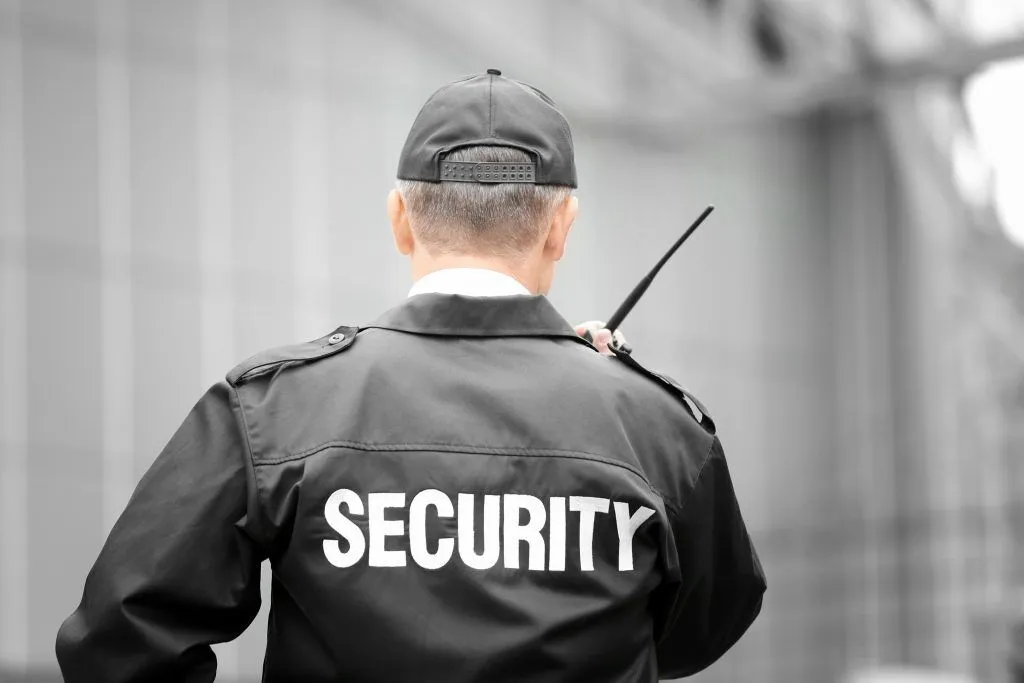
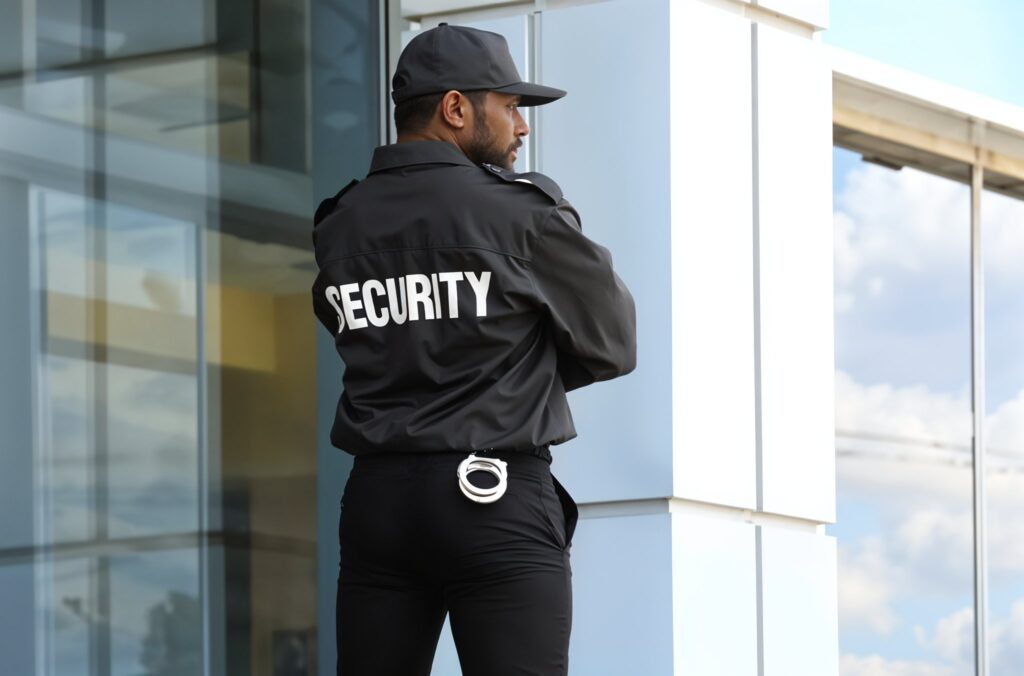
Allowing only authorized personnel while maintaining public order.
Reducing theft and safeguarding sensitive government resources.
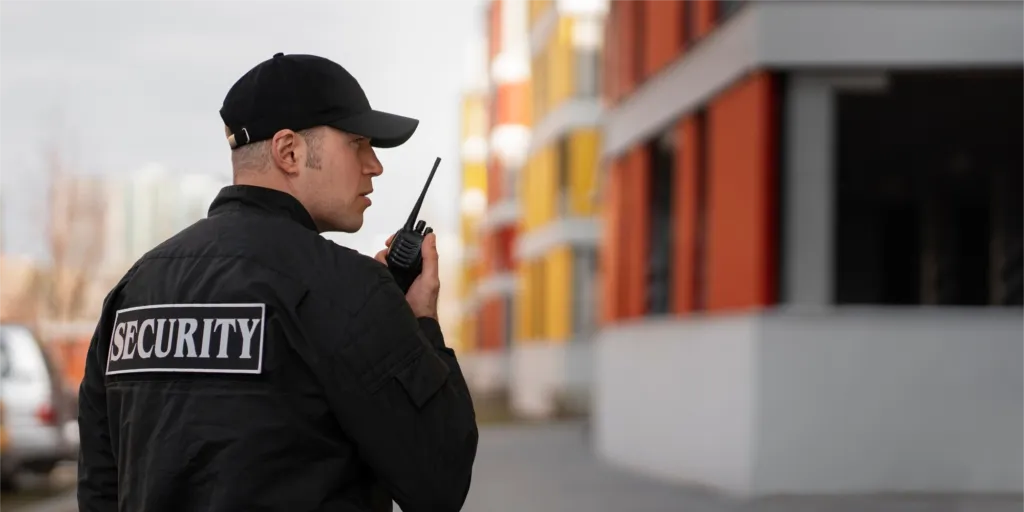
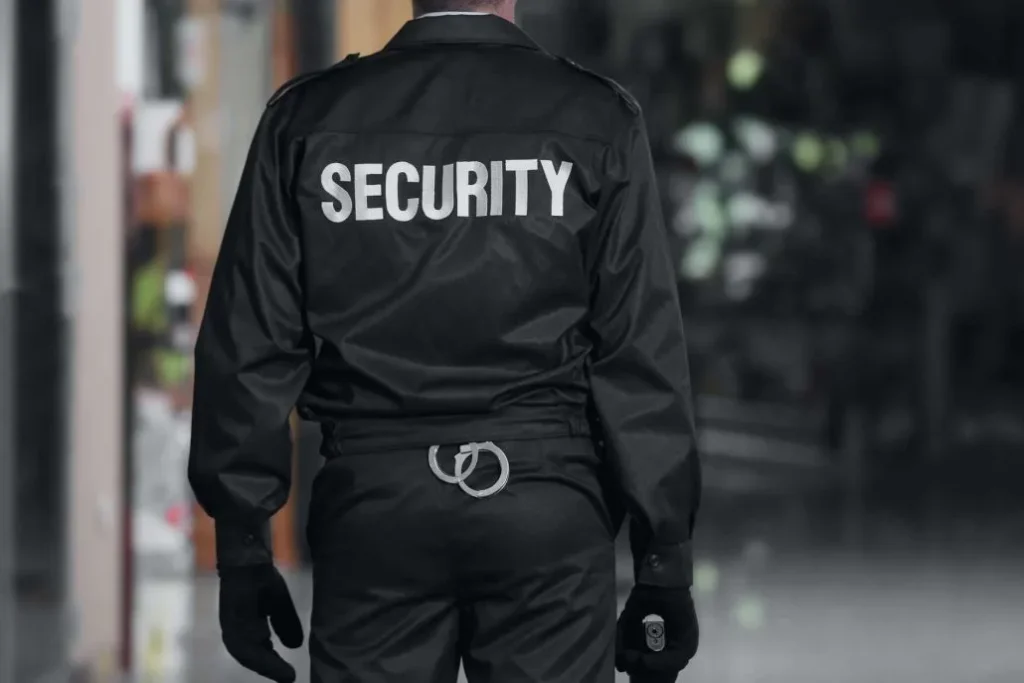
Guards prepared to support evacuations, crowd management, and incidents.
Guards secure courthouses, offices, and public buildings from unauthorized access and threats.
Officers verify credentials, screen visitors, and manage secure entry points.
Routine patrols and immediate action to incidents ensure safe operations.
All guards meet Texas DPS standards and are trained to work in high-security government environments.
Frequently Asked Questions
FAQ´s – Unarmed Security Guards
Unarmed guards focus on maintaining order, monitoring premises, assisting customers, and deterring potential threats without using firearms.
Retail stores, corporate offices, hospitals, hotels, residential buildings, schools, and warehouses often rely on unarmed security for protection.
Yes! The presence of a trained security professional significantly reduces crime, ensures safety, and provides a sense of security for businesses and residents.
While unarmed guards do not carry firearms, they are trained in handling security breaches and can detain individuals if necessary while awaiting law enforcement.
Our unarmed guards undergo extensive training in conflict resolution, emergency response, surveillance techniques, and customer service.
FAQ'S
Frequently Asked Questions – Government Security Services
Government buildings manage sensitive work and high visitor traffic, making them targets for theft, disruption, or violence. Security officers reduce risks by maintaining order and providing protection for staff and citizens.
Government security officers monitor entrances, check identification, patrol facilities, and respond to emergencies. They also assist staff and enforce building safety policies.
Costs vary by facility size, location, and coverage needs. On average, government security services range from $20 to $50 per hour per officer, with exclusive roles costing more.
Yes. In addition to meeting Texas DPS Private Security Bureau requirements, officers working in government facilities receive training in access control, visitor management, and emergency response. Some may also hold federal or site-specific clearance.
Yes. Security officers deter unauthorized access, manage crowds, and provide fast response in emergencies. Their presence ensures government operations run smoothly without avoidable interruptions.