
Professional Security Protection for Charities, Religious Groups, and Community Organizations
Non-profit organizations—including charities, places of worship, and community centers—face unique challenges in maintaining safe environments for staff, volunteers, and visitors. In Texas, many non-profits operate in areas where property crime rates exceed 3,500 incidents per 100,000 residents, creating risks of theft, vandalism, and unauthorized access.
Beyond property concerns, non-profits often organize public events, fundraisers, and community programs that attract large gatherings. These situations can lead to crowd control issues, disturbances, or safety risks without professional oversight. Security services provide visible deterrence, quick response, and protection that allow organizations to focus on their mission while ensuring people and property remain safe.
At 365 Patrol, we provide dedicated security solutions for non-profit and community organizations, including:

A visible presence at entrances, events, and community facilities.
Managed access, orderly flow, and safety during gatherings.

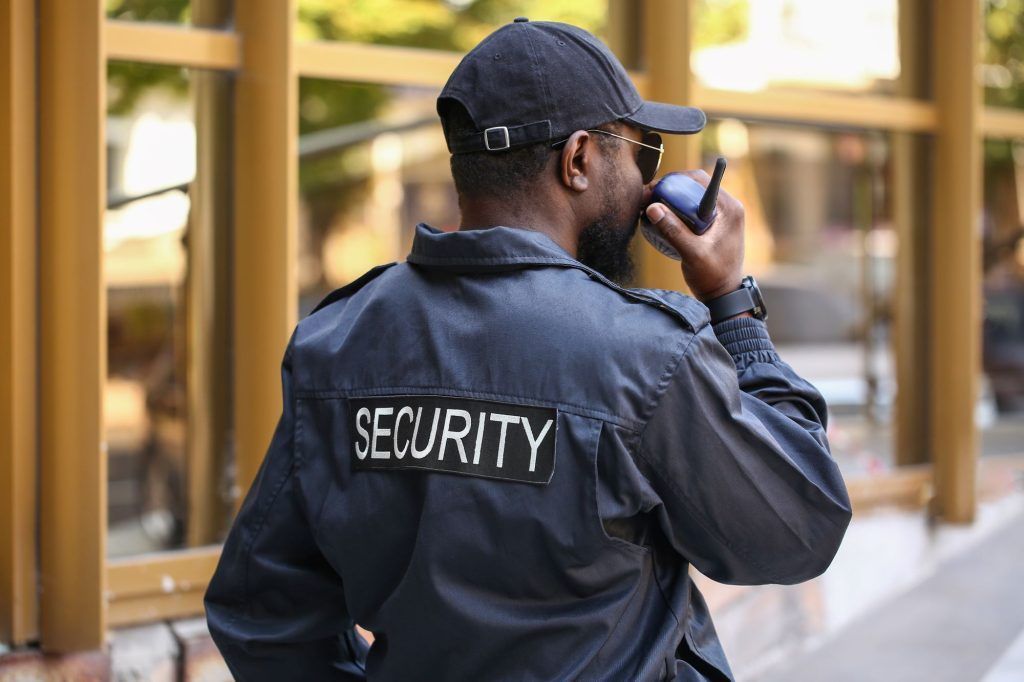
Monitoring visitors and protecting restricted areas such as offices and storage rooms.
Coverage of large facilities, outdoor areas, and parking lots.


Guards trained to assist with evacuations, incidents, and coordination with authorities.
Guards provide visible security at fundraisers, community programs, and outreach activities.
Officers monitor entry points, verify guests, and manage volunteers or vendors.
Routine patrols deter theft, trespassing, and ensure safety during gatherings.
All guards meet Texas DPS standards and are trained in safety, reporting, and emergency procedures.
Frequently Asked Questions
FAQ´s – Unarmed Security Guards
Unarmed guards focus on maintaining order, monitoring premises, assisting customers, and deterring potential threats without using firearms.
Retail stores, corporate offices, hospitals, hotels, residential buildings, schools, and warehouses often rely on unarmed security for protection.
Yes! The presence of a trained security professional significantly reduces crime, ensures safety, and provides a sense of security for businesses and residents.
While unarmed guards do not carry firearms, they are trained in handling security breaches and can detain individuals if necessary while awaiting law enforcement.
Our unarmed guards undergo extensive training in conflict resolution, emergency response, surveillance techniques, and customer service.
FAQ'S
Frequently Asked Questions – Non-Profit Security Services
Non-profits often manage events, donations, and facilities that can become targets for theft or disruption. Security officers provide protection, crowd management, and reassurance to staff, volunteers, and attendees.
Officers monitor entrances, patrol property, manage event security, and provide emergency support. They also help maintain order and protect both people and assets.
Costs vary depending on event size, facility needs, and hours of coverage. On average, non-profit security services range from $20 to $50 per hour per officer. Multi-day events or ongoing facility protection may require custom scheduling.
Yes. Officers receive training in conflict resolution, de-escalation, and customer service in addition to Texas DPS Private Security Bureau requirements. This ensures they can balance professionalism with the welcoming atmosphere non-profits strive to maintain.
Yes. Security officers manage access control, crowd flow, and incident response at events, ensuring safe environments where staff and volunteers can focus on fundraising and community engagement.